Introduction to Weekly Check-Ins
Managing properties can be a complex task, involving numerous responsibilities that range from ensuring tenant satisfaction to maintaining the physical condition of the units. Property owners, whether they manage a single rental unit or multiple properties, often face a myriad of challenges that can lead to stress and inefficiency. This complexity necessitates a structured approach to property management to help streamline operations and minimize potential issues before they escalate.
A weekly check-in system serves as an invaluable tool for property owners. By dedicating a specific time each week to review key aspects of property management, owners can stay organized and proactive. This systematic approach allows property owners to monitor various elements such as rent collection, maintenance requests, and tenant communications. Additionally, regular check-ins encourage owners to prioritize tasks and allocate resources effectively, ultimately enhancing the overall management experience.
Implementing weekly check-ins can significantly benefit property owners. For one, it can reduce the overwhelming nature of property management by breaking down tasks into manageable segments. Owners can also identify trends over time, which provides insight into tenant behaviors and property performance, helping them make informed decisions. Furthermore, a consistent routine supports accountability, ensuring that no important issues are overlooked. Ultimately, adopting a weekly check-in strategy can lead to increased efficiency, reduced stress, and greater satisfaction with the investment experience.
Quick Action Items for This Week
Effective property management requires a proactive approach to various tasks that ensure smooth operations and tenant satisfaction. This week, we outline several quick action items for property owners to focus on, which play a pivotal role in maintaining a property successfully.
First, checking rent statuses should be top of mind. Ensuring that all tenants have paid their rent on time will help maintain cash flow and identify individuals who may require follow-up or support. It is also an excellent opportunity to review any late payments, as understanding patterns can lead to improved communication with tenants.
Next, reviewing maintenance tickets is essential. Property owners should prioritize going through any requests submitted by tenants. Addressing these promptly not only cultivates tenant trust but can also prevent small issues from escalating into costly repairs. A systematic approach to monitoring these tickets is crucial, as it fosters an environment where tenants feel valued and cared for.
In addition, actively monitoring property conditions is critical. This can involve conducting routine inspections or simply walking around the property to assess any visible damage or cleanliness issues. Staying aware of the property’s physical state helps identify necessary repairs or upgrades, which can enhance tenant satisfaction and increase property value.
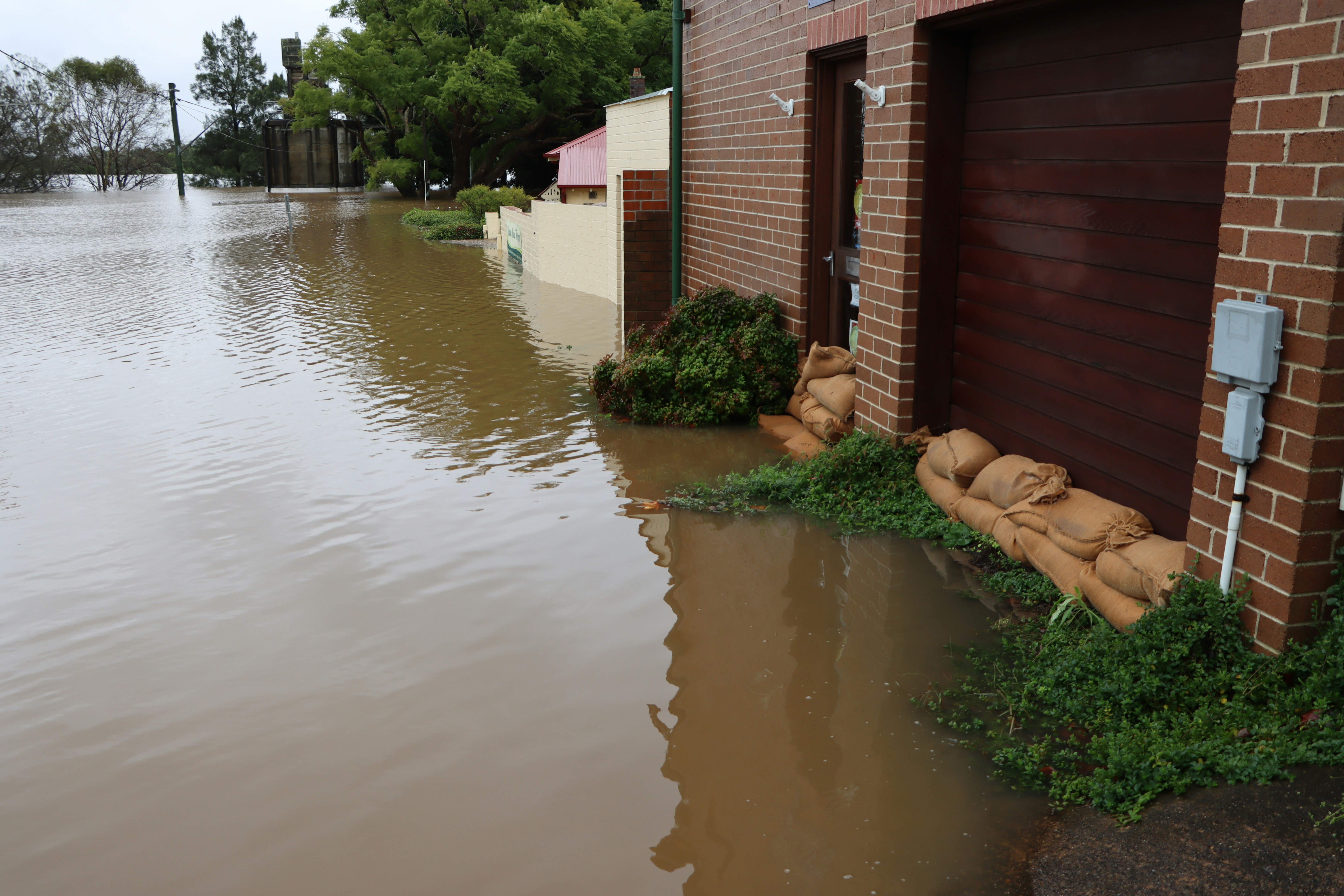
Another action item is to check local news or weather updates. Having awareness of local developments or potential weather disturbances can prepare property owners for possible impacts on their properties. Staying informed allows for timely decisions which can mitigate risks, whether they be related to severe weather or community changes that may affect tenants.
Lastly, logging expenses should be a regular task. Keeping an accurate record of all costs associated with property management aids in budgeting and financial planning. Tracking expenses helps property owners assess the financial health of their investment and makes tax preparation more straightforward.
Maintenance Spotlight: Gutter Care
Property owners often overlook the importance of maintaining gutters, yet they play a crucial role in preserving the integrity of a property. Clogged gutters can lead to a host of problems, particularly during rainy seasons or in areas with overhanging trees. When gutters are obstructed by leaves, twigs, or other debris, they may overflow, directing water runoff toward the foundation of the home rather than away from it. This situation can exacerbate risks such as water damage, mold growth, and even structural issues.
The accumulation of organic matter in gutters not only impedes their functionality but also provides an inviting environment for pests such as mosquitoes, rodents, and birds. In places with frequent rainfall, property owners should be particularly vigilant and consider scheduling gutter inspections at least twice a year—once in the spring and again in the fall. These inspections can involve checking for debris buildup, ensuring proper alignment, and examining connections to downspouts.
In addition to regular inspections, proactive cleaning of gutters should be on every property owner’s checklist. While some homeowners may choose to handle this task themselves, utilizing a professional service may be advisable, particularly for those who feel uncomfortable with heights or lack the necessary equipment. If opting for the DIY route, it is critical to use appropriate safety measures, including sturdy ladders and protective gloves. It is also advisable to consider installing gutter guards, which can significantly reduce the frequency of required cleanings by minimizing debris accumulation.
By prioritizing gutter maintenance, property owners can prevent costly repairs and extend the lifespan of their homes. Creating a routine schedule will enable them to stay ahead and ensure that their properties remain in optimal condition.
Building a Solid Emergency Contact Plan
Creating a robust emergency contact plan is vital for property owners, particularly those who manage their assets remotely or are frequently absent. An effective plan ensures that issues such as property damage or tenant emergencies can be promptly addressed, thereby mitigating potential loss or distress. The first step in crafting this plan is appointing a local contact who is reliable and responsive. This individual could be a trusted friend, family member, or a professional property manager capable of acting swiftly in emergencies.
It is essential for the chosen contact to have unrestricted access to the property. They should be familiar with the layout, systems, and any particular concerns that may arise regarding the structure or tenants. Ensuring that this person can navigate the property effectively will save significant time during critical moments. Furthermore, equipping them with authoritative contact information for local contractors, emergency services, and utility companies will enhance their capacity to manage urgent situations proficiently.
Clear communication is also fundamental to a successful emergency contact plan. Property owners should maintain regular check-ins with their appointed local contact and property managers. These interactions can be a platform for discussing ongoing issues, recent inspections, or potential vulnerabilities that should be monitored. Utilizing modern technology—such as property management apps or shared digital documents—can facilitate seamless communication and keep all parties informed in real-time.
Real-life scenarios often highlight the need for having a solid emergency contact plan in place. For instance, a property owner living out of state experienced a plumbing emergency that required immediate attention. Thanks to their proactive approach in designating a local service provider as an emergency contact, the issue was resolved efficiently without incurring excessive damage. By following these outlined strategies, property owners can establish an emergency contact plan that not only safeguards their assets but also provides peace of mind.
About the Author